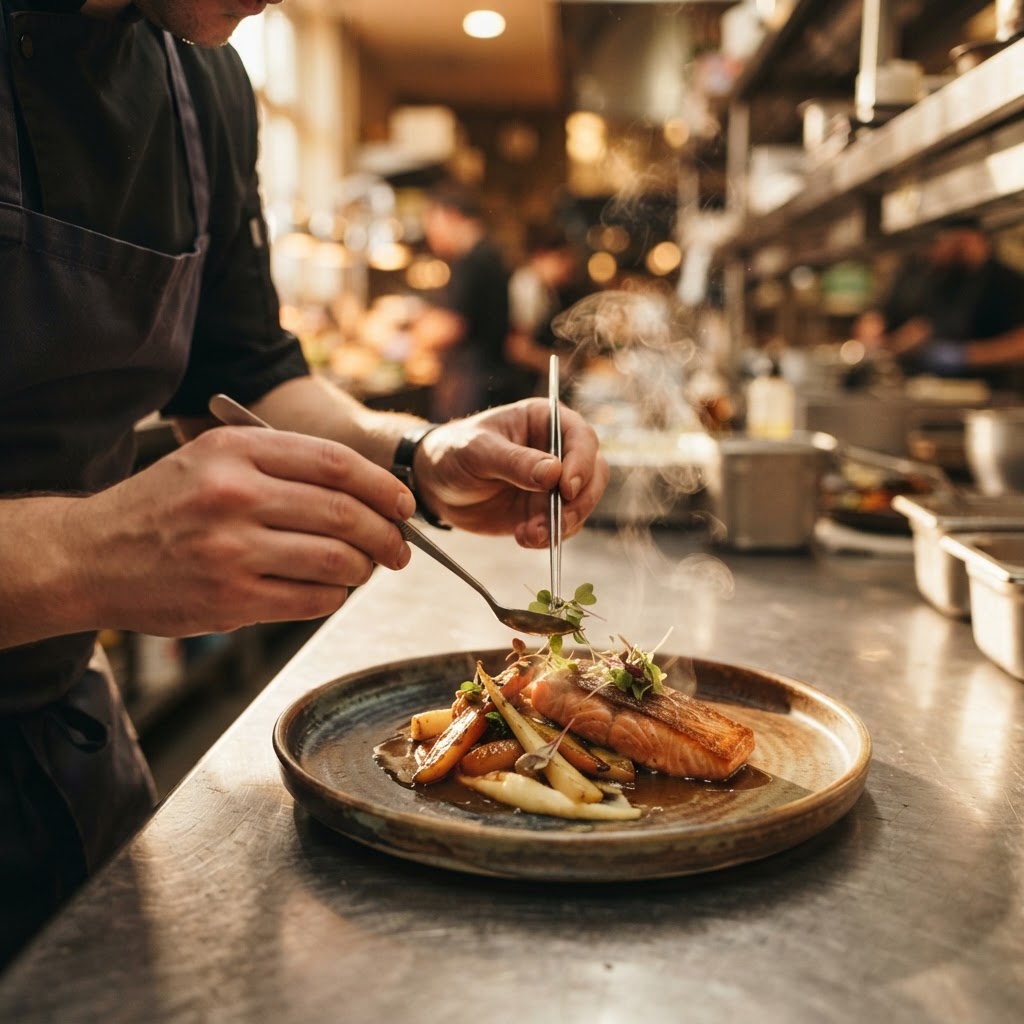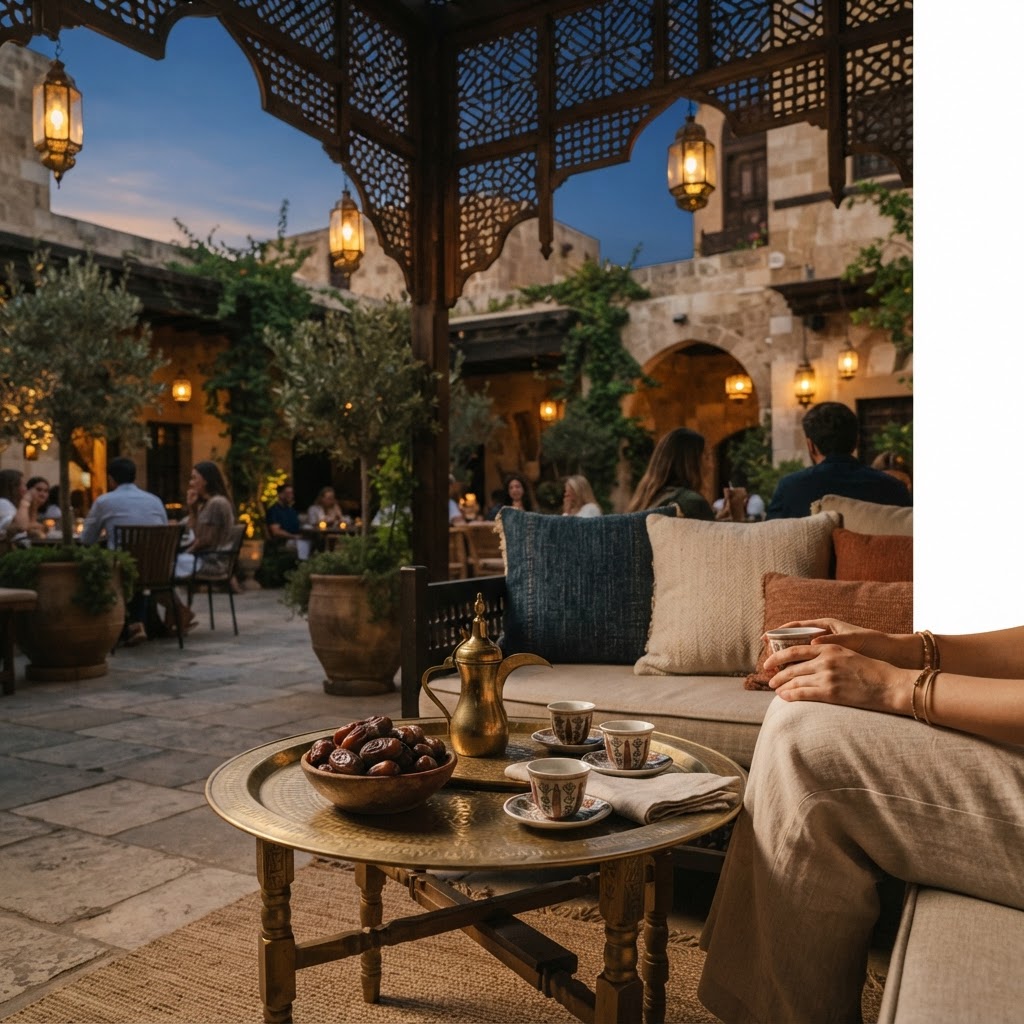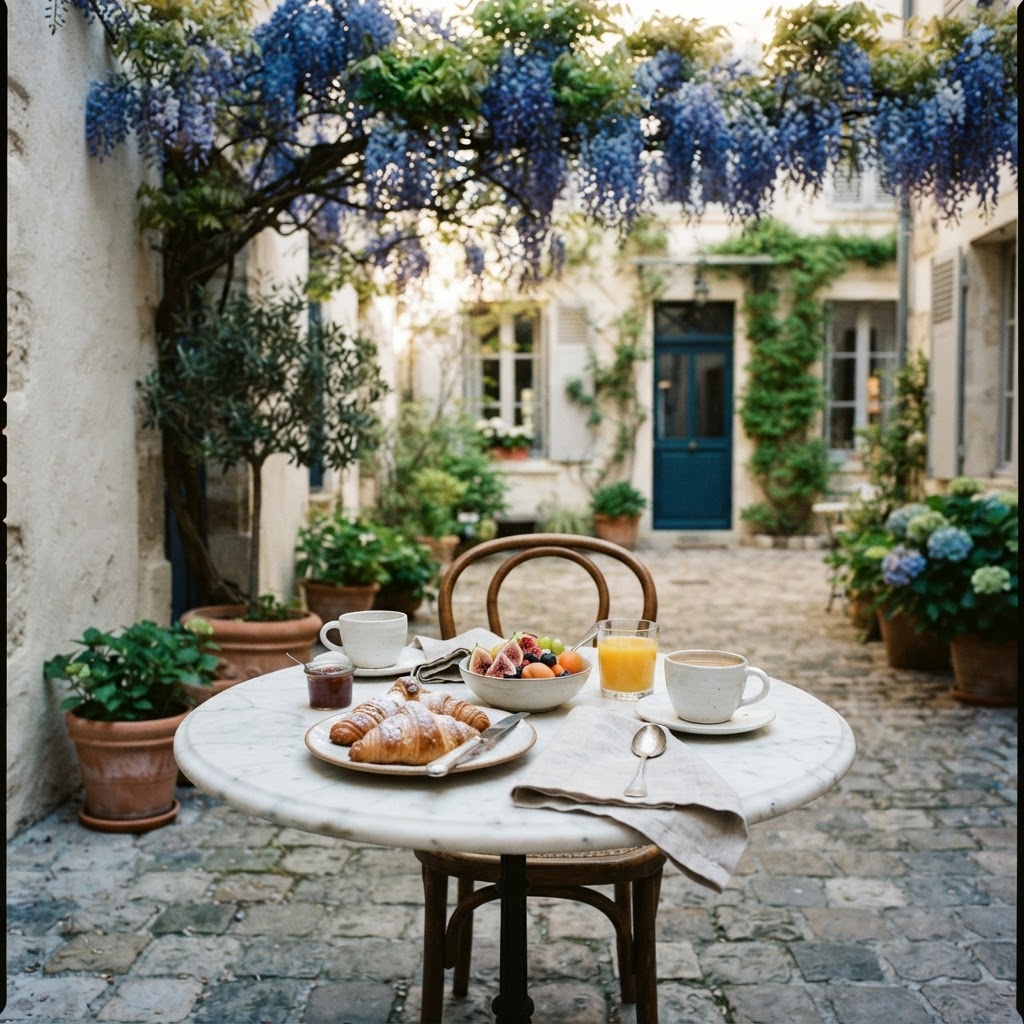
Most Hotels Still Treat Food And Beverage As A Line Item — A Cost Centre That Must Be Managed, A Service That Must Exist, A Breakfast That Must Be Served. This Is The Most Expensive Mistake In Hotel Development Today.
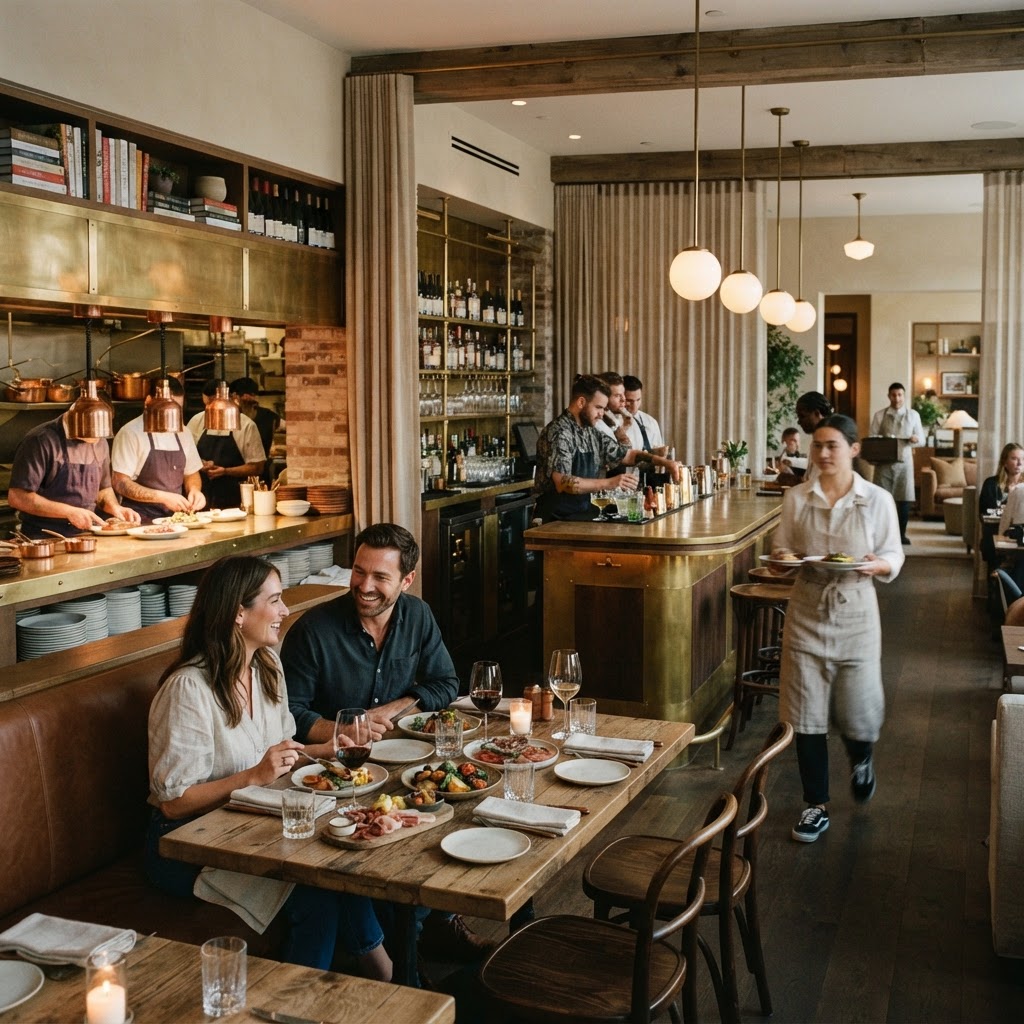
Most hotels still treat food and beverage as a line item — a cost centre that must be managed, a service that must exist, a breakfast that must be served. This is the most expensive mistake in hotel development today.
Hotel F&B is not an amenity. It is the most visible expression of what the hotel stands for, who it is designed for, and what experience a guest can expect. The restaurant a guest walks past on the way to their room tells them more about the hotel's brand than the room itself. And yet, across the industry, hotel F&B remains one of the most underutilised revenue drivers and one of the most common sources of operational underperformance.
For hotel operators, developers and investors, the question is not whether to include F&B — it is whether to design it strategically. This guide covers the core components of hotel F&B strategy: positioning, revenue architecture, operating models, guest experience integration, and the decision frameworks that separate concepts that perform from concepts that erode the bottom line.
F&B AS POSITIONING, NOT AMENITY
The first principle of hotel F&B strategy is that the restaurant, bar and lobby concepts are positioning instruments. They signal what the hotel stands for, who it is for, and what experience guests can expect.
Generic F&B signals something dangerous: that the hotel has not thought about its guests deeply enough. A hotel with a standard-issue all-day dining restaurant, a lobby bar with a generic cocktail list, and a room service menu that reads like every other room service menu is telling its guests that they are not worth a distinctive experience. Distinctive, locally relevant F&B signals the opposite — that the hotel understands its market, its guests, and its own identity.
Does your F&B tell a story that your rooms cannot? If the answer is no, the F&B is not earning its space.
This is not about Michelin stars or celebrity chefs. It is about intentionality. A lobby coffee concept that sources from a local roastery, a bar program built around regional spirits, a breakfast format that reflects the city's food culture — these are positioning decisions that cost no more than generic alternatives but create entirely different brand perceptions.
REVENUE ARCHITECTURE
Hotel F&B revenue strategy covers multiple streams, each with different margin structures, operational requirements and guest expectations. Understanding the economics of each stream is the foundation of any F&B strategy.
Restaurant revenue includes covers from hotel guests and walk-in guests. The ratio between these two groups matters enormously. A hotel restaurant that depends entirely on guest covers is structurally fragile — occupancy drops, and the restaurant bleeds. A hotel restaurant that draws walk-in traffic from the neighbourhood has a resilient revenue base that decouples F&B performance from room occupancy.
Bar and lounge revenue is typically the highest-margin F&B stream in a hotel. A well-designed bar program can generate 70-75% gross margins, compared to 60-65% for restaurant operations. Yet bar concepts are often afterthoughts — a lobby counter with a standard cocktail list rather than a destination in their own right.
In-room dining generates consistent but low-margin revenue. The operational cost of room service — dedicated staffing, tray logistics, quality degradation — means that many hotels operate room service at a loss, treating it as a service obligation rather than a profit centre.
Events and catering represent the most scalable F&B revenue stream. A hotel that can host conferences, weddings and private dining events can generate F&B revenue that far exceeds what its restaurant and bar can produce. But this requires dedicated event spaces, specialised staffing, and a sales function that actively pursues event business.
The strategic framework: map every F&B stream against its revenue potential, margin contribution, operational complexity and brand impact. Then allocate space, investment and management attention accordingly.
THE OPERATING MODEL DECISION
One of the most consequential decisions in hotel F&B strategy is the operating model: who runs the F&B, who bears the risk, and who captures the upside.
Self-operation. The hotel builds, staffs and runs its F&B. Full control, full revenue, full risk. This model makes sense when the hotel has a strong F&B identity, experienced culinary leadership, and the volume to justify the operational overhead. It fails when the hotel treats F&B as a secondary function and staffs it accordingly.
Concession or lease. The hotel rents the F&B space to an external operator who runs their own concept. Low risk, limited control, fixed income. This model works when the hotel wants a strong, recognised F&B brand but does not want to operate it. The risk is that the operator's brand may overshadow the hotel's, and the hotel captures none of the F&B upside.
Joint venture. The hotel and an operator share investment and revenue. Shared risk, shared control, shared upside. This is the most complex model but can be the most powerful when both parties bring genuine value — the hotel brings the location and the guest base, the operator brings the concept and the operational expertise.
Management fee. The hotel owns the F&B but pays a professional operator to run it. The hotel retains revenue and brand control; the operator takes operational responsibility for a fee. This model offers a middle ground between self-operation and concession, but requires careful contracting to align incentives.
GUEST EXPERIENCE INTEGRATION
F&B does not exist in isolation. Every touchpoint — from the breakfast table to the midnight minibar — is part of the guest's experience of the hotel. The strategic question is whether these touchpoints are designed as a connected experience or left as disconnected transactions.
The breakfast experience sets the tone for the day. A thoughtful breakfast — one that reflects the hotel's positioning and the local food culture — creates a first impression that carries through the entire stay. A generic buffet does the opposite.
The bar is the social heart of the hotel. It is where guests go to relax, to meet, to be seen. A bar concept that is designed as a destination — with its own identity, its own program, its own atmosphere — generates revenue and builds the hotel's brand simultaneously.
Lobby and retail F&B is the passive revenue layer. Coffee, pastries, grab-and-go. These are low-investment, low-margin concepts that serve the hotel's logistics rather than its brand. But even at this level, intentionality matters — a lobby coffee concept from a local roastery signals something different from a generic machine.
COMMON FAILURE MODES
Mistake 1: The generic all-day dining restaurant. A restaurant that tries to be everything to everyone — breakfast, lunch, dinner, room service — ends up being nothing to anyone. The operational complexity of running multiple dayparts with a single kitchen and single team means that quality suffers and costs escalate.
Mistake 2: The empty lobby bar. A beautiful bar that nobody uses. This usually happens when the bar is designed as a visual element rather than a destination. The fix is not better design — it is a better concept, a better program, and a better reason for people to sit down.
Mistake 3: F&B as cost centre thinking. When F&B is measured only by its departmental P&L, the strategic value it creates — brand differentiation, guest loyalty, length of stay, ancillary spend — is invisible on the balance sheet. This leads to underinvestment, which leads to underperformance, which confirms the original assumption that F&B is a cost centre.
Mistake 4: Ignoring the walk-in market. A hotel restaurant that only serves hotel guests is a restaurant with a capped market. The most successful hotel F&B concepts are those that draw the neighbourhood in. This requires a concept that is compelling enough to attract non-guests, not just convenient for guests.
THE F&B STRATEGY AUDIT CHECKLIST
- Map every F&B stream against revenue potential, margin contribution, operational complexity and brand impact
- Evaluate the walk-in vs guest cover ratio for every restaurant and bar
- Assess whether the bar program is designed as a destination or an afterthought
- Review the breakfast format against the hotel's positioning and local food culture
- Determine whether the operating model aligns with the hotel's F&B identity and capability
- Audit whether in-room dining is a profit centre or a cost burden
- Evaluate whether event and catering revenue is being actively pursued
- Assess whether F&B touchpoints are designed as a connected experience or disconnected transactions
- Review whether F&B investment is proportional to its brand and revenue contribution
- Determine whether the F&B concept draws the neighbourhood in or only serves hotel guests
CASE STUDY: INDIKAYA — BRAND VOICE AS F&B STRATEGY
When TCA developed the brand voice and language system for INDIKAYA, a modern Asian restaurant in Dubai, the strategic foundation was not the menu or the interior — it was the concept positioning. The concept was built around a clear idea: modern Asian cuisine, presented with a brand voice that was confident, sensory, and culturally specific. Every F&B decision — menu language, service style, pricing architecture, spatial flow — flowed from that positioning. The restaurant draws both hotel guests and walk-in diners, creating a resilient revenue base that does not depend on occupancy.
CASE STUDY: KIMYONA — CONCEPT VALIDATION IN PRACTICE
When TCA developed KIMYONA, a modern Asian concept for Saudi Arabia, the F&B strategy was validated against market opportunity, strategic differentiation, operational feasibility, and commercial viability. The concept was positioned not as another Asian restaurant, but as a culturally relevant dining experience designed for the Saudi market. The validation framework ensured that the concept was commercially sound before investment was committed.
CASE STUDY: NEW FOOTBALL STADIUM — F&B AS DESTINATION
When TCA validated the F&B concept for a new to be build Stadium in the UAE, the strategy was not about feeding match-day crowds. It was about creating F&B concepts that would activate the stadium on non-match days — turning a single-use venue into a multi-daypart destination. The F&B strategy was integrated with the venue's commercial model, creating revenue streams that extended far beyond match-day concessions.
KEY TAKEAWAYS
-
F&B is positioning, not amenity. The restaurant a guest walks past tells them what the hotel stands for.
-
Revenue architecture matters. Map every F&B stream by margin, volume and brand impact — then allocate space and investment accordingly.
-
The operating model is a strategic decision, not a default. Self-operation, concession, joint venture, and management fee models each have different risk-reward profiles.
-
The bar is the highest-margin stream. Yet it is often the most underinvested concept in the hotel.
-
Walk-in traffic is the difference between resilience and fragility. A hotel F&B concept that only serves guests is structurally vulnerable.
-
Common failure modes are predictable and preventable. The generic all-day dining restaurant, the empty lobby bar, cost-centre thinking, and ignoring the walk-in market.
-
Case studies prove the framework. INDIKAYA, KIMYONA, and Football Stadium demonstrate that strategic F&B concept development creates measurable commercial outcomes.