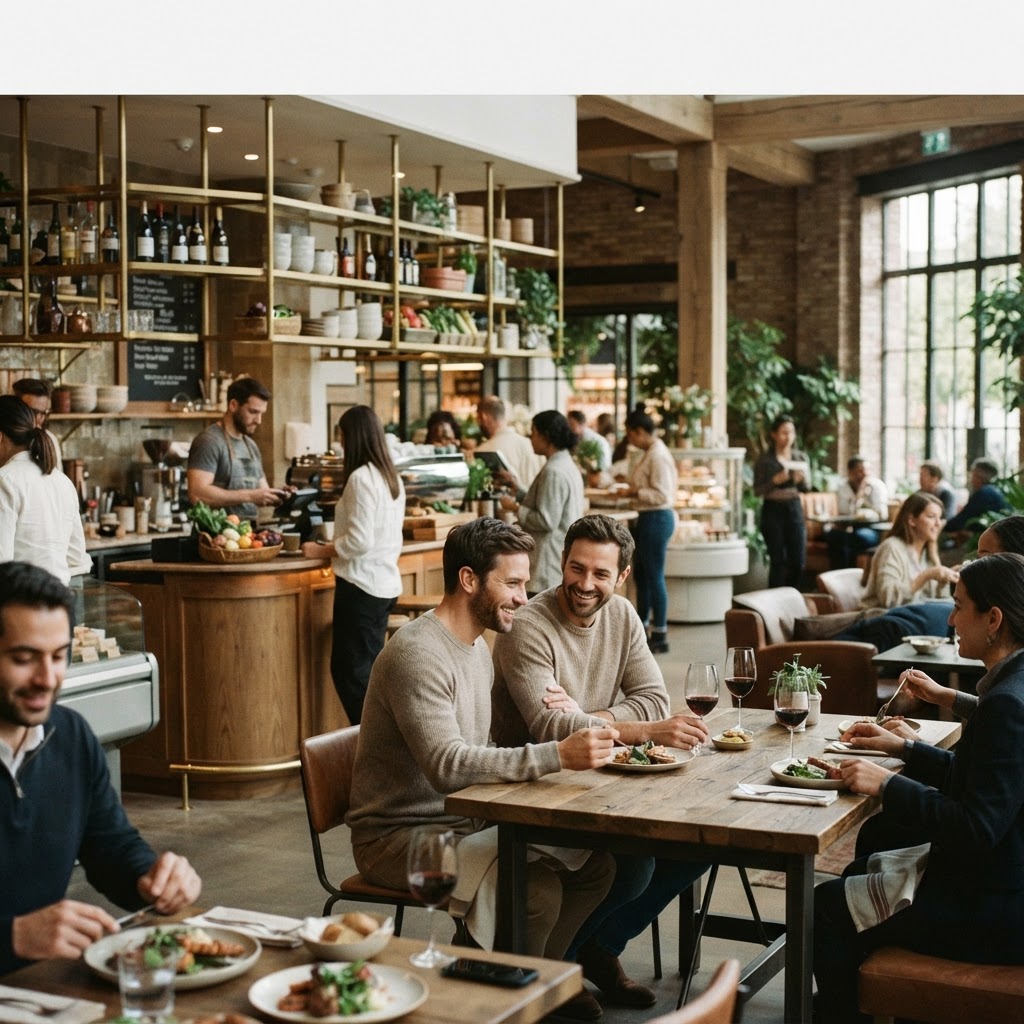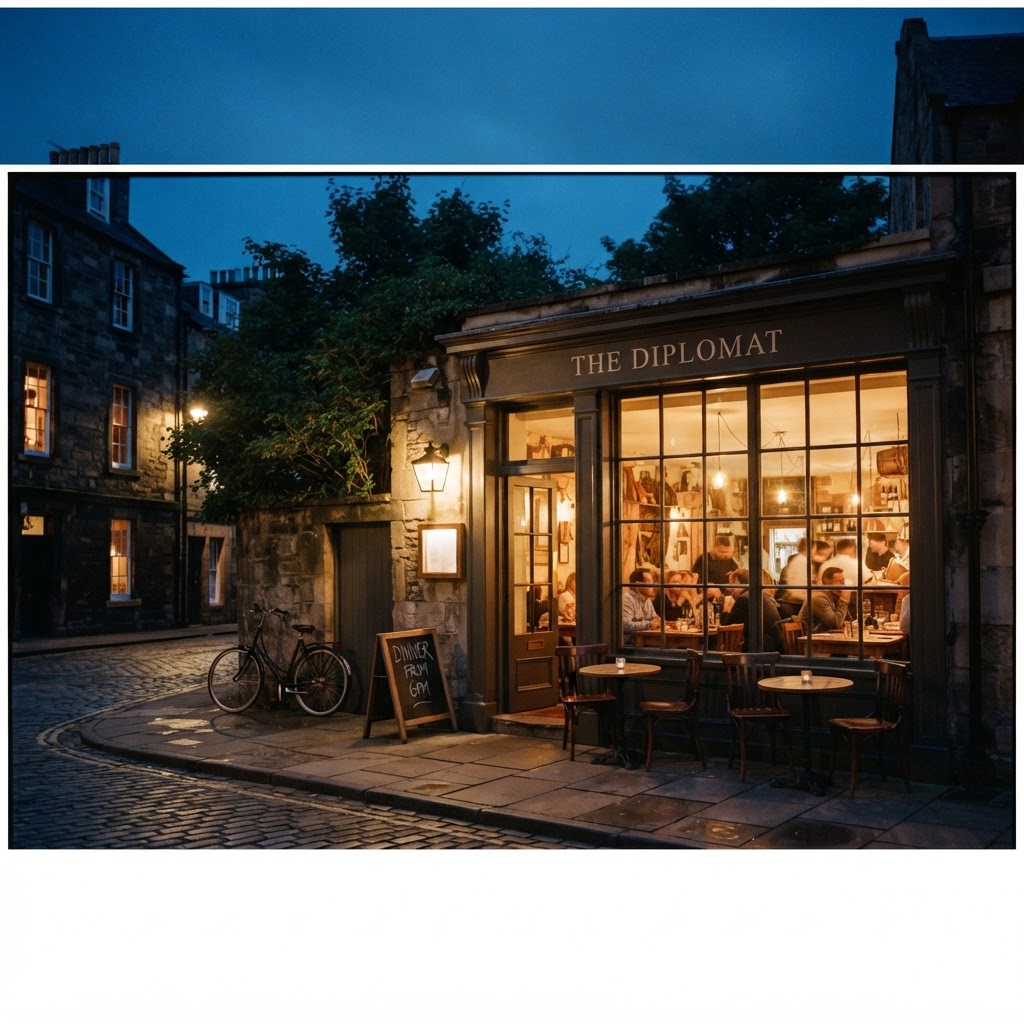
You Are Developing A Property With Space For Multiple F&b Outlets. The Strategic Question Is: Should You Create A Food Hall (Multiple Vendors In A Shared Space With Shared Seating) Or Develop Standalone Restaurants (Individual Concepts With Their Own Spaces, Entrances, And Identities)?
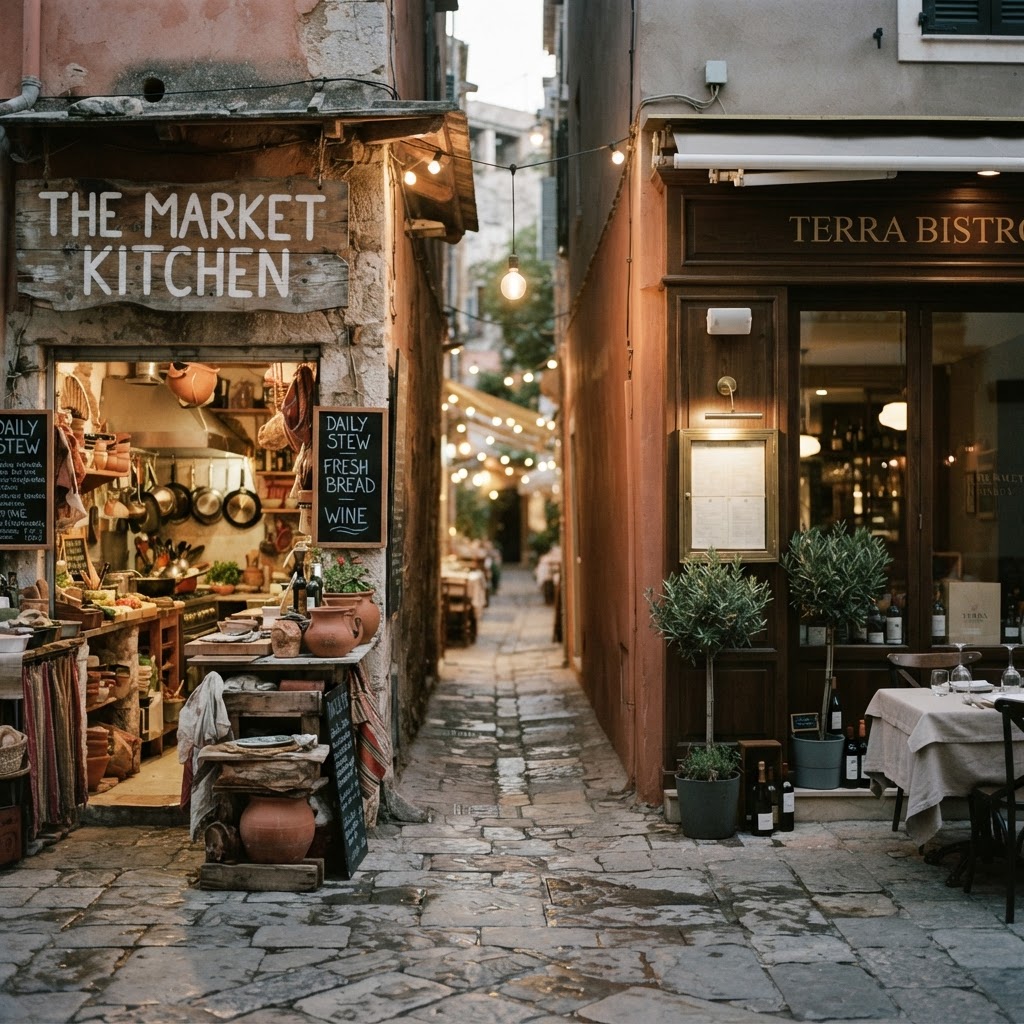
DECISION GUIDE: SHOULD WE CREATE A FOOD HALL OR STANDALONE RESTAURANTS?
The Question
You are developing a property with space for multiple F&B outlets. The strategic question is: should you create a food hall (multiple vendors in a shared space with shared seating) or develop standalone restaurants (individual concepts with their own spaces, entrances, and identities)?
This is not a format preference — it is a strategic decision that affects footfall patterns, capital investment, operational complexity, brand identity, and revenue structure. The right answer depends on the development's positioning, the target audience, and the market context.
When a Food Hall Makes Sense
-
The development needs broad appeal. A food hall naturally serves diverse audiences — different cuisines, price points, and formats in one destination. If the development's target audience is broad (mixed-use with residential, office, and hotel components), a food hall can serve all segments without requiring each to visit a different restaurant.
-
The space is open and flexible. Food halls work best in large, open floor plates — former industrial spaces, ground floors of developments with high ceilings and deep floor plates. If the space is fragmented or has low ceilings, a food hall format will feel cramped and compromise the atmosphere.
-
The market lacks a quality food hall. If the market does not have a well-curated food hall, the opportunity to create the first one is a positioning advantage. If the market already has three food halls, entering with another requires a distinctly different curation strategy.
-
The developer wants shared infrastructure. Food halls share infrastructure — seating, restrooms, HVAC, waste management — across multiple vendors, which can reduce per-vendor fit-out costs. The trade-off is that the developer must invest in the shared infrastructure upfront.
When Standalone Restaurants Make Sense
-
The development needs destination identity. Standalone restaurants, each with its own brand and entrance, create a stronger destination identity than a food hall. A development known for 'three great restaurants' has a different — and often stronger — positioning than one known for 'a food court.'
-
The target audience is specific. If the development serves a specific audience (a luxury hotel, a premium office tower, a residential community), standalone restaurants with tailored concepts will serve that audience better than a food hall designed for broad appeal.
-
The operators are destination brands. If you are partnering with operators who have their own destination brands — chefs, restaurant groups, or concepts with existing followings — standalone formats allow each brand to express itself fully. In a food hall, individual vendor brands are partially subsumed by the food hall brand.
-
The revenue structure favours direct leases. Standalone restaurants typically operate on direct leases with higher rent per square metre but lower operational involvement. Food halls require active management, curation, and common area maintenance — a different operational model.
The Hybrid Option
Many successful developments combine both formats: a food hall for daytime variety and casual dining, paired with one or two standalone destination restaurants for evening identity. This captures the broad appeal of the food hall during the day and the destination identity of standalone restaurants at night.
The hybrid requires careful spatial planning — the food hall and the standalone restaurants should be adjacent enough to share footfall but distinct enough to maintain separate identities.
The Decision Framework
- Is the development's target audience broad (food hall) or specific (standalone)?
- Does the space support an open, shared-seating format (food hall) or is it better suited to individual units (standalone)?
- Does the market lack a quality food hall (food hall opportunity) or is it saturated (standalone differentiation)?
- Are the target operators destination brands (standalone) or emerging concepts (food hall)?
- Does the developer want active F&B management (food hall) or passive leasing (standalone)?
There is no universal right answer. The decision should follow the development's strategic positioning, not the developer's format preference.
If you are facing this decision, TCA can help you assess which format — or hybrid — best serves your development's positioning and commercial targets.