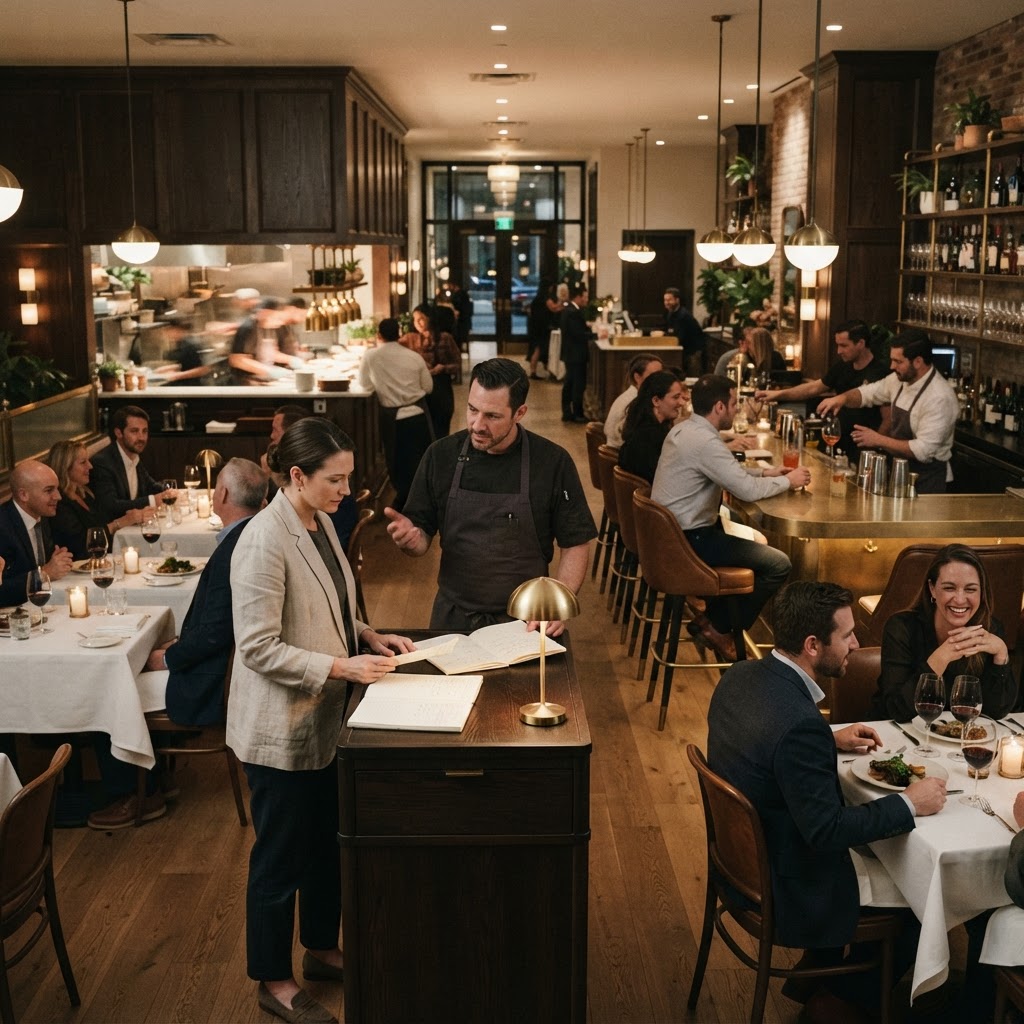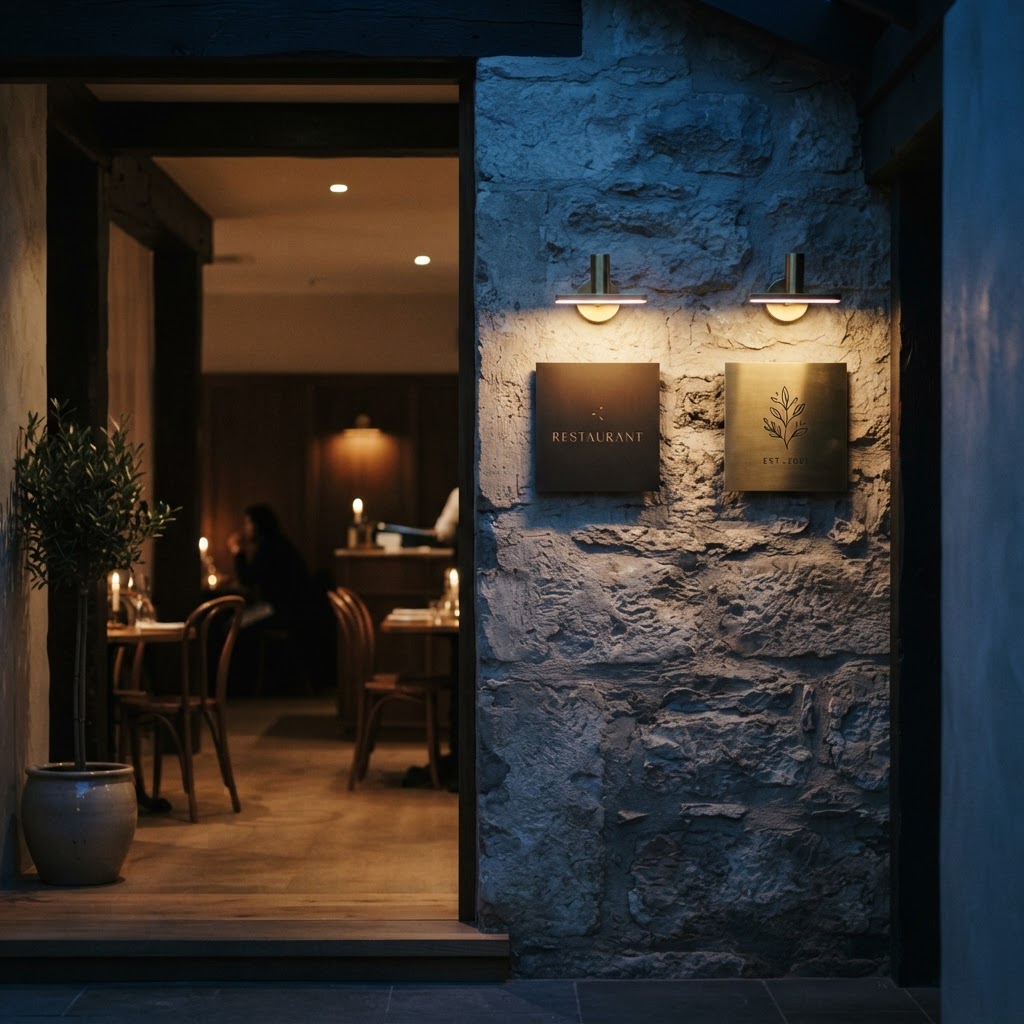
White-label F&b In Hotels Is The Practice Of Operating Hotel Food And Beverage Outlets Under Brand Identities That Are Independent Of The Hotel Brand — Either As Bespoke Concepts Created Specifically For The Property, Or As Third-party Brands Brought In To Operate Within The Hotel.
WHITE-LABEL F&B IN HOTELS
Definition
White-label F&B in hotels is the practice of operating hotel food and beverage outlets under brand identities that are independent of the hotel brand — either as bespoke concepts created specifically for the property, or as third-party brands brought in to operate within the hotel.
The term comes from the contrast with 'branded' hotel F&B: 'The Restaurant at [Hotel Brand]' is a branded outlet. '[Independent Concept Name]' operating within the hotel is a white-label outlet. The distinction matters because the two models serve different strategic purposes.
Why It Matters
Hotel-branded F&B has a structural problem: guests associate the hotel restaurant with the hotel brand, which means the restaurant's positioning is constrained by the hotel's positioning. A luxury hotel's restaurant is assumed to be luxury. A budget hotel's restaurant is assumed to be budget. The restaurant cannot build its own identity independent of the hotel's.
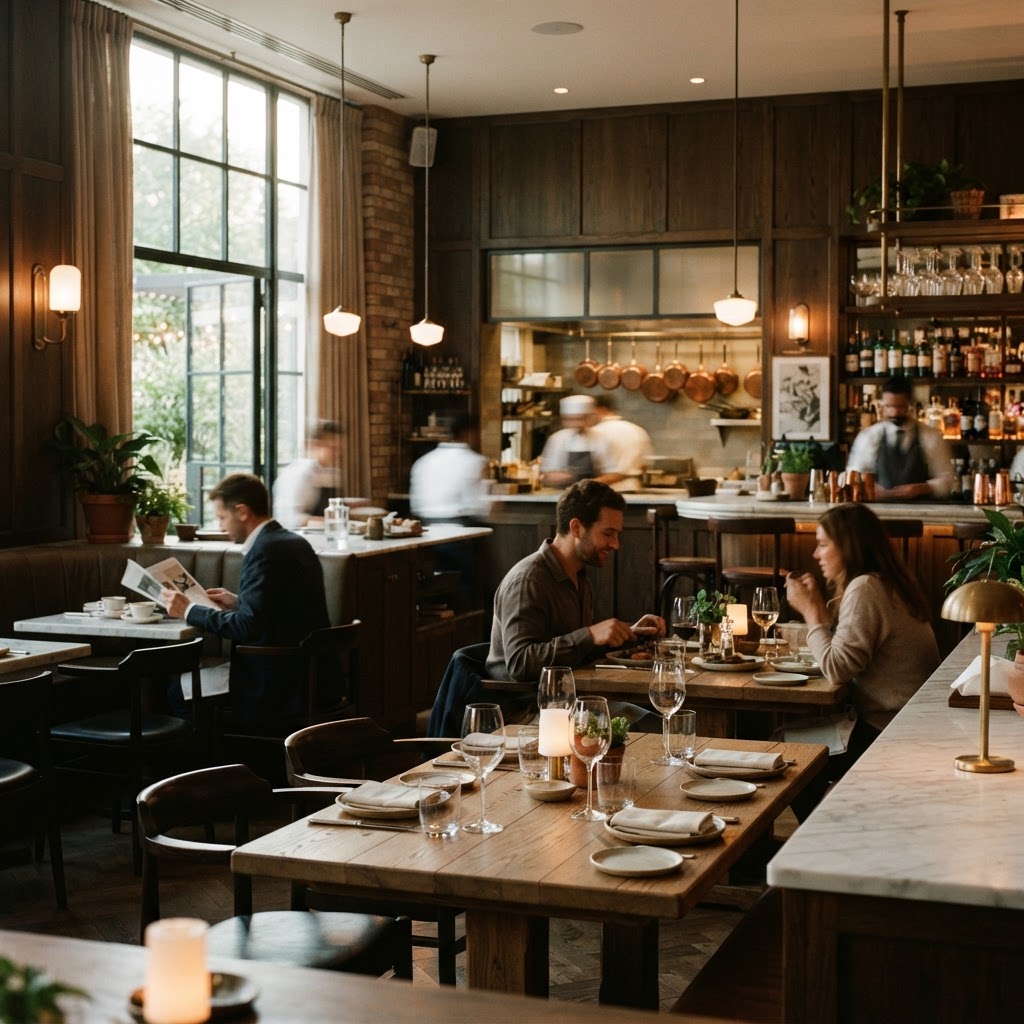
White-label F&B solves this by giving the outlet its own brand identity. The restaurant has its own name, its own design, its own positioning, and its own marketing. It can attract non-resident visitors who would not visit a hotel restaurant but would visit a destination restaurant that happens to be in a hotel. It can operate at a different price point or style than the hotel. It can build equity in its own brand.
How To Think About It
Three white-label models:
-
Bespoke concept: A concept created specifically for the hotel, with its own brand identity. The hotel owns the concept. Advantage: full control and brand equity. Disadvantage: development cost and operational responsibility.
-
Third-party operator: An independent restaurant brand operates within the hotel space. The hotel leases the space or partners with the operator. Advantage: the operator brings expertise, brand, and audience. Disadvantage: less control and revenue share.
-
Restaurants in Residence: A rotating programme where different restaurant brands operate in the hotel for limited periods. Advantage: constant novelty and audience refresh. Disadvantage: operational complexity and lack of permanence.
The strategic principle: the F&B outlet should be positioned for its own success, not as an amenity of the hotel. If the outlet cannot succeed as a standalone concept, it will not succeed as a hotel restaurant.