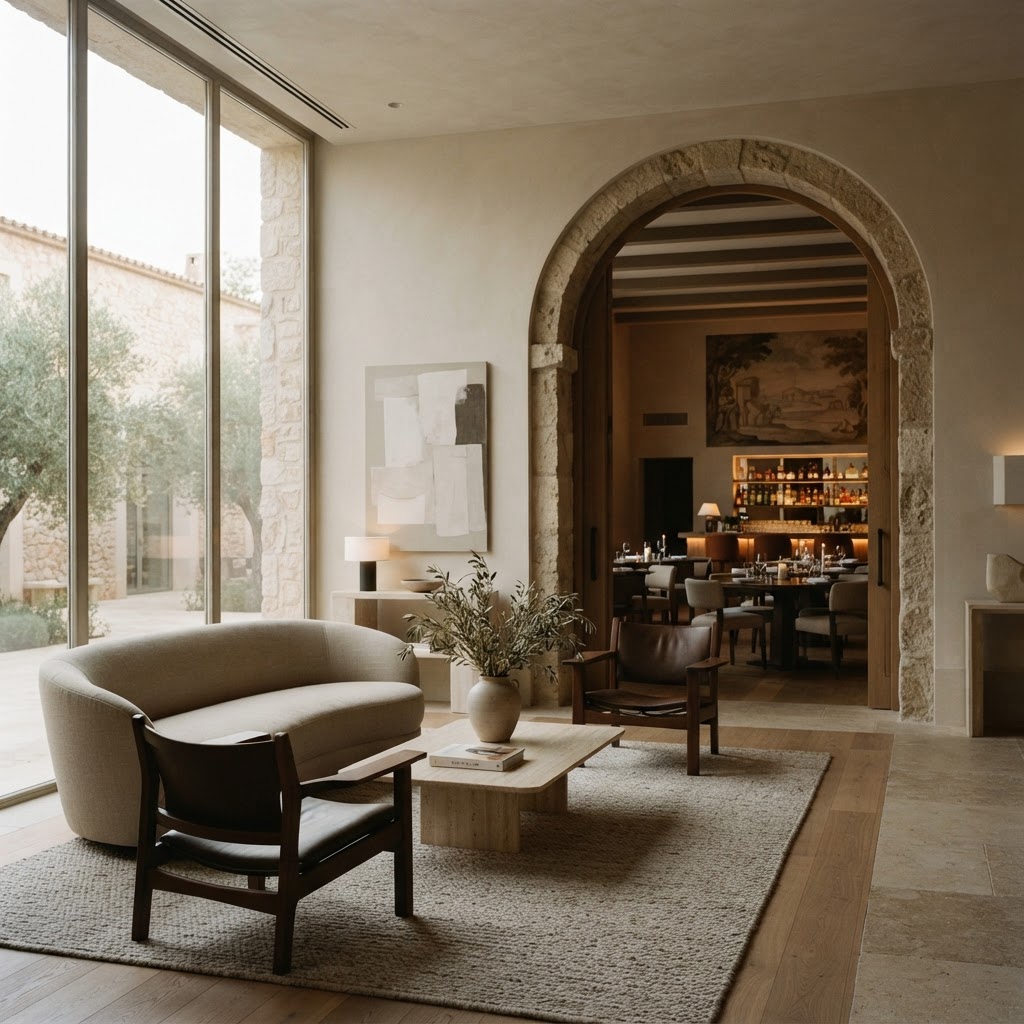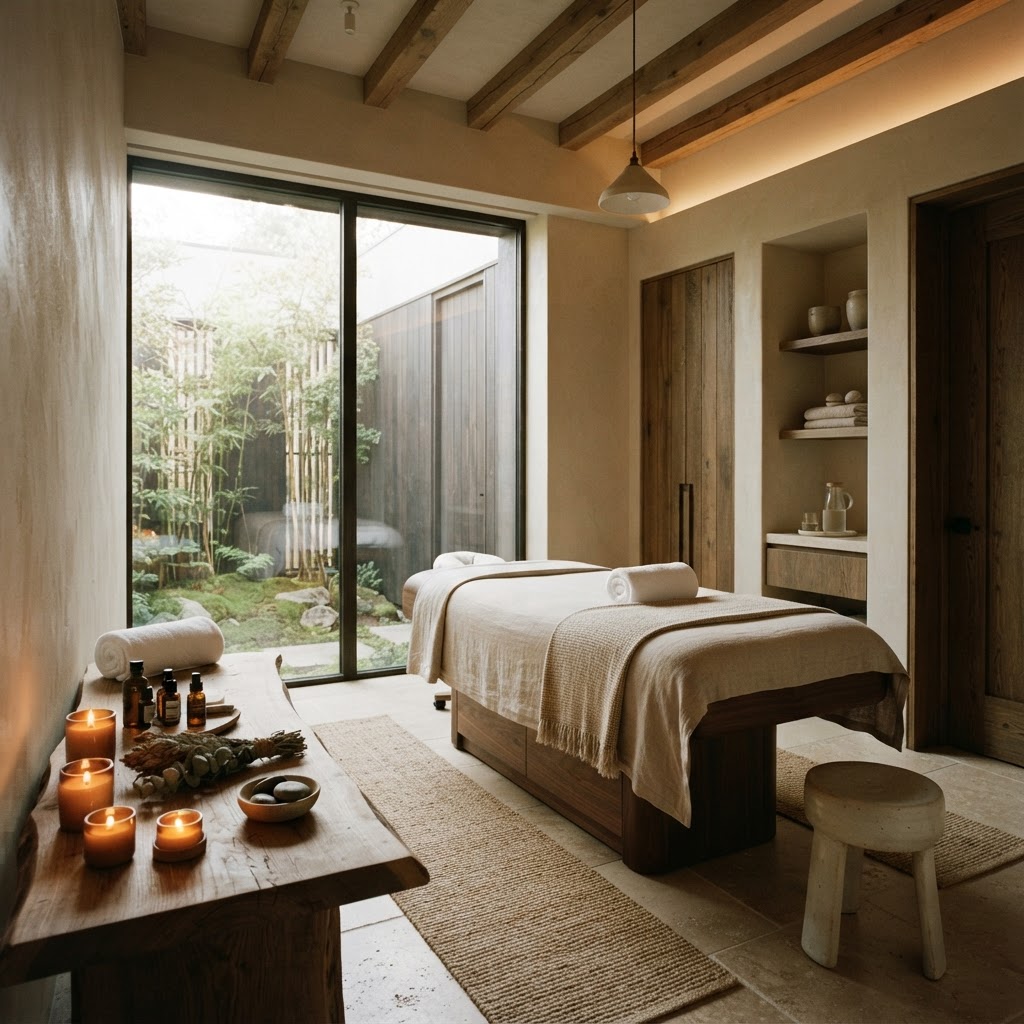
How to Design Wellness Concepts That Are Experiences, Not Facility Lists
STRATEGIC GUIDE: WELLNESS HOSPITALITY CONCEPT DEVELOPMENT
How to Design Wellness Concepts That Are Experiences, Not Facility Lists
Wellness is the fastest-growing segment in global hospitality. Every hotel group, developer, and destination wants a wellness component — a spa, a fitness centre, a yoga pavilion, a healthy menu. But most wellness hospitality concepts fail to deliver on the promise. They are designed as facility inventories: a list of treatments, a schedule of classes, a menu of 'healthy' options. The guest checks in, uses the facilities, checks out, and forgets.
Exceptional wellness hospitality is different. It is designed as a narrative — a story the guest moves through, where every element serves the same transformative purpose. The facilities are the medium; the story is the product.
This guide defines the strategic framework for developing wellness hospitality concepts that create lasting value — for guests, for operators, and for developers.
PART 1: THE STRATEGIC POSITIONING OF WELLNESS HOSPITALITY
Wellness is not a feature. It is a positioning. A hotel that adds a yoga class and a quinoa salad to its menu has not created a wellness concept — it has added wellness-adjacent amenities to a conventional hospitality product. The distinction matters because guests who seek genuine wellness experiences can tell the difference.
There are three strategic positions for wellness hospitality:
Position 1: Wellness as Core Identity The entire concept is built around wellness. Every decision — from architecture to menu to service philosophy to room design — serves the wellness purpose. The guest chooses the destination specifically for its wellness offer. This is the model of destination wellness resorts, thermal bathing villages, and wellness retreats. This position requires: a clear wellness philosophy (not just 'health and wellbeing' but a specific approach), a narrative structure that guides the guest journey, and facilities and programmes that are integrated into a single experience.
Position 2: Wellness as Differentiator The concept is a hospitality venue (hotel, resort, mixed-use) where wellness is a primary differentiator — not the only reason guests visit, but a significant reason they choose this venue over competitors. The wellness component has its own identity within the larger concept. This position requires: a distinctive wellness concept (not generic spa treatments), integration with the overall brand, and enough scale and quality to be a genuine differentiator rather than a checkbox.
Position 3: Wellness as Amenity The concept offers wellness facilities because guests expect them — a gym, a spa, a pool. These are competent, functional, and unremarkable. They exist because a wellness component is expected, not because it is a strategic asset. This position requires: efficient operations, standardised treatments, and cost control. The risk is that the wellness amenity does not match the property's positioning — a luxury hotel with a mediocre spa is breaking its brand promise.
The critical mistake is choosing Position 3 when the market and positioning warrant Position 1 or 2. Wellness-literate guests — and the market is increasingly wellness-literate — can immediately tell the difference between a wellness concept and a wellness amenity.
PART 2: WELLNESS AS NARRATIVE — THE EXPERIENCE DESIGN
The most powerful wellness concepts are structured as narratives, not facility lists. The guest does not consume a list of treatments — they move through a story with a beginning, a middle, and an end. Each stage of the story has a specific emotional purpose, and the facilities serve that purpose.
The narrative structure typically follows three acts:
Act 1: Disconnection The guest arrives carrying the mental and physical load of their daily life. The first act is about stripping that away — creating a transition from the outside world to the wellness space. This is achieved through design (the transition from arrival to inner space), atmosphere (reduced stimuli, calm), and ritual (a welcome process that signals the beginning of the experience). The design principle: reduce stimuli progressively. Light levels decrease, sound softens, materials become more natural, and the pace slows. The guest's nervous system begins to regulate before any treatment begins.
Act 2: Engagement The guest is now present — physically and mentally in the space. The second act is the active wellness experience: treatments, thermal circuits, movement, nourishment. Each element should serve the narrative purpose of transformation — not just feeling good in the moment, but creating a shift that the guest carries with them. The design principle: sequence matters. The order of treatments, the progression through thermal zones, the timing of meals — all should be designed as a progression, not a menu of options. The guest should feel that the experience is leading somewhere, not just offering choices.
Act 3: Reintegration The guest must return to the outside world. The third act is about preparing for that return — not abruptly ending the experience, but creating a gradual transition back. This is achieved through design (increasing light and stimuli), service (a closing ritual or moment of reflection), and communication (guidance on how to maintain the benefits). The design principle: the exit is as important as the entrance. A wellness experience that ends abruptly — guest in a robe one moment, in the car park the next — loses the final act of the narrative. The reintegration should be designed as intentionally as the disconnection.
Real-World Example
In the OMBA Wellness Village project, the guest journey was structured as a three-act narrative: Disappearance (arrival strips away the outside world through a progressive reduction of stimuli), Tension (a thermal circuit challenges the body through contrast — heat, cold, exertion), and Reveal (a water social zone delivers release, connection, and transformation). Each zone's design — materials, light, sound, scent — was briefed to serve its assigned emotional purpose within the arc.
PART 3: THE FACILITY STRATEGY
Wellness facilities are the medium through which the narrative is delivered. The common mistake is to start with the facility list (how many treatment rooms, what size pool, how many yoga studios) before defining the narrative the facilities must serve.
The facility strategy follows the narrative:
Disconnection facilities: Arrival spaces, transition zones, quiet rooms, meditation spaces. These are designed for reduction — fewer stimuli, softer materials, lower light.
Engagement facilities: Treatment rooms, thermal circuits (sauna, steam, cold plunge, hydrotherapy pools), movement studios, wellness cuisine. These are designed for transformation — each facility serving a specific stage in the engagement arc.
Reintegration facilities: Social spaces, relaxation lounges, reflection areas, nourishment spaces. These are designed for return — gradually reintroducing stimuli, connection, and energy.
The facility list should be driven by the narrative, not by benchmarking against competitors. A competitor may have 12 treatment rooms; you may need 6 because your concept emphasises quality of experience over volume of treatments. The number is a commercial decision, but it should follow the strategic narrative.
PART 4: WELLNESS CUISINE
Wellness cuisine is one of the most underdeveloped areas in wellness hospitality. Most wellness concepts offer 'healthy' food — light, low-calorie, plant-forward. This is wellness cuisine at its most basic. Exceptional wellness cuisine is an integral part of the narrative — food that nourishes, tells a story, and connects to the concept's philosophy.
Wellness cuisine should:
-
Follow the narrative arc: The food should match the guest's stage in the wellness journey. Disconnection-stage food is light, simple, grounding. Engagement-stage food is energising, restorative. Reintegration-stage food is celebratory, social, satisfying.
-
Connect to place: Wellness cuisine that references local ingredients, seasonal cycles, and traditional healing practices creates a sense of place that generic 'healthy' food cannot. The food tells the guest where they are — not just what they are eating.
-
Be intentional, not restrictive: The goal is not to restrict (no sugar, no gluten, no dairy) but to nourish. A wellness cuisine defined by what it removes is a diet, not a philosophy. A wellness cuisine defined by what it includes — vitality, flavour, provenance, balance — is a culinary identity.
-
Be delicious: This should not need saying, but it does. Wellness food that is virtuous but bland fails the most basic test of hospitality. If the food is not enjoyable, the wellness concept is not working — regardless of how beautiful the spa is.
PART 5: THE COMMERCIAL MODEL
Wellness hospitality has a distinct commercial structure. The revenue streams are different from conventional hospitality, the cost structure is different, and the pricing logic is different.
Revenue Streams
- Accommodation: In destination wellness resorts, accommodation is the primary revenue stream. Premium pricing is justified by the wellness experience — guests pay more because the stay is transformative, not just comfortable.
- Treatments and programmes: Structured wellness programmes (3-day, 5-day, 7-day) command premium pricing and create predictable revenue. A la carte treatments provide flexibility but lower commitment.
- F&B: Wellness cuisine is a revenue stream, not a cost centre. When the food is exceptional and integrated into the philosophy, guests will pay for it — and remember it.
- Retail: Wellness products, branded merchandise, and at-home treatment kits extend the revenue beyond the stay.
- Membership: In urban wellness concepts, membership provides recurring revenue and builds community.
Cost Structure Wellness concepts have higher operational costs than conventional hospitality: specialised staff (therapists, practitioners, chefs), premium ingredients, higher staff-to-guest ratios, and facility maintenance (thermal circuits, pools, specialised equipment). The pricing must reflect these costs — discounting wellness experiences undermines both the commercial model and the perceived value.
PART 6: COMMON STRATEGIC MISTAKES
Mistake 1: Facility-first design Designing the facility list before defining the narrative. The result is a collection of competent facilities with no narrative arc — a spa that feels like a service, not a journey.
Mistake 2: Generic wellness positioning Positioning the concept as 'health and wellbeing' without defining what that means specifically. Every wellness concept claims health and wellbeing. The positioning must be more specific: what type of wellness, what philosophy, what transformation?
Mistake 3: Treating wellness cuisine as an afterthought Investing heavily in spa facilities and offering generic 'healthy' food. The food is the element guests experience most frequently — it should be as intentional as the treatments.
Mistake 4: No reintegration design Focusing on arrival and treatment, neglecting the exit. The guest's final memory of the experience is the reintegration — if it is abrupt or undefined, the entire experience is diminished.
Mistake 5: Over-treating Packing the schedule with treatments so the guest has no time to rest, reflect, or simply be. Wellness is not about maximising treatment count — it is about quality of experience. Sometimes the most powerful wellness intervention is rest.
Mistake 6: Wellness as marketing, not operations Promoting the wellness concept in marketing materials while the operational reality does not match. Wellness-literate guests will see through this immediately — and they will share their disappointment.
THE PRINCIPLE
Wellness hospitality is not about adding wellness facilities to a hospitality concept. It is about designing a concept where every element — architecture, atmosphere, cuisine, service, programming — serves a transformative purpose.
The wellness concepts that endure are those with a clear narrative, a specific philosophy, and the discipline to integrate every element into a single, coherent experience. The facilities are the medium. The story is the product. And the transformation is the value.
This guide is based on TCA's framework for wellness hospitality concept development, developed through projects including the OMBA Wellness Village and wellness concept work across the Middle East. For a tailored assessment of your wellness concept strategy, contact The Concept Artisan.