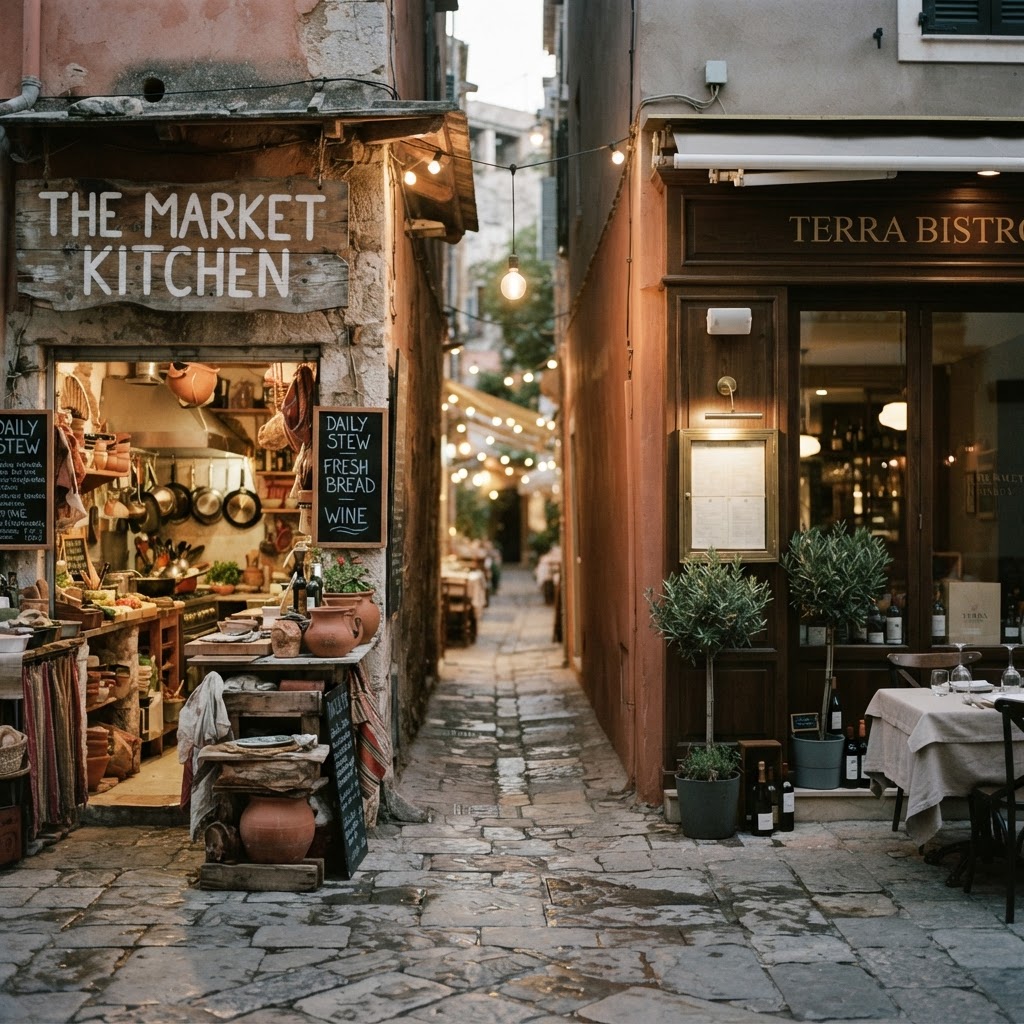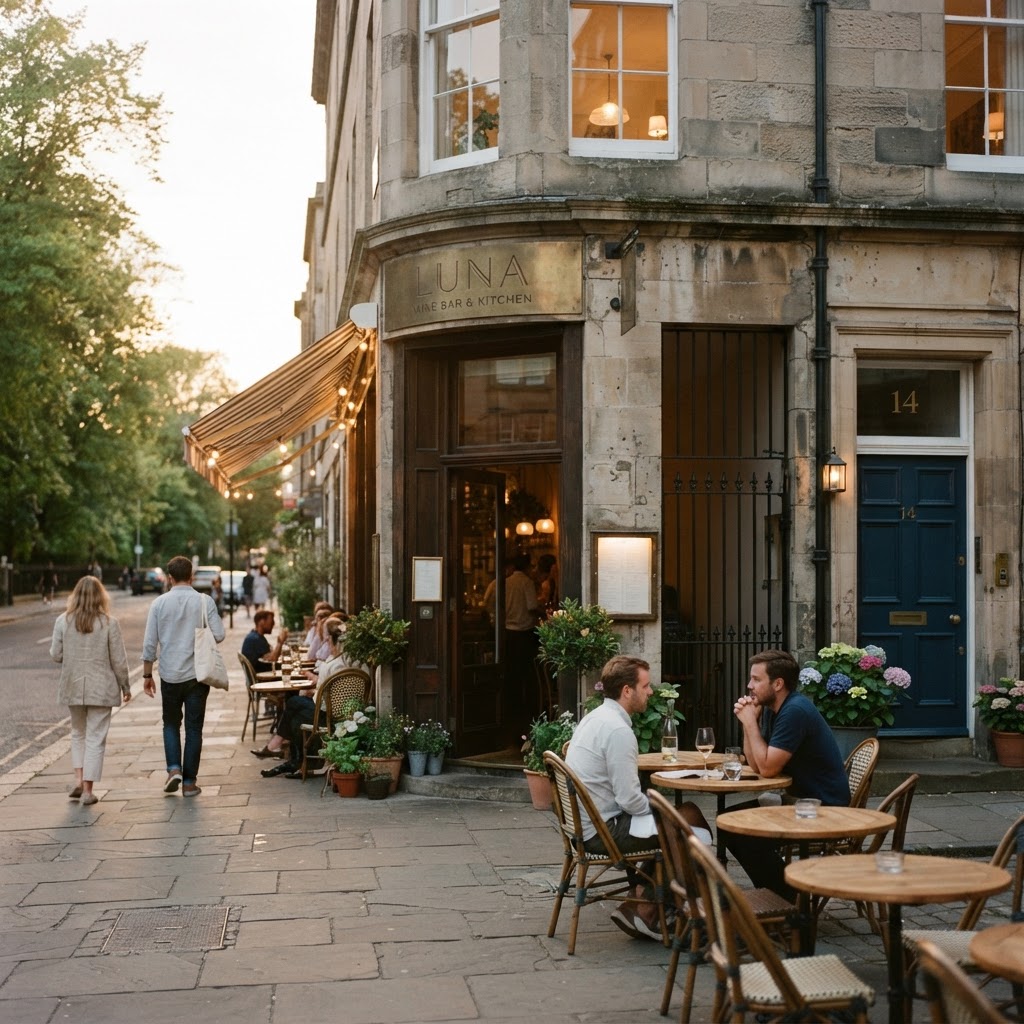
You Are Planning A Mixed-use Development — Residential, Office, Retail, Hospitality, Or Some Combination. The Question Of How Much F&b To Include Is One Of The Earliest And Most Consequential Decisions In The Planning Process.
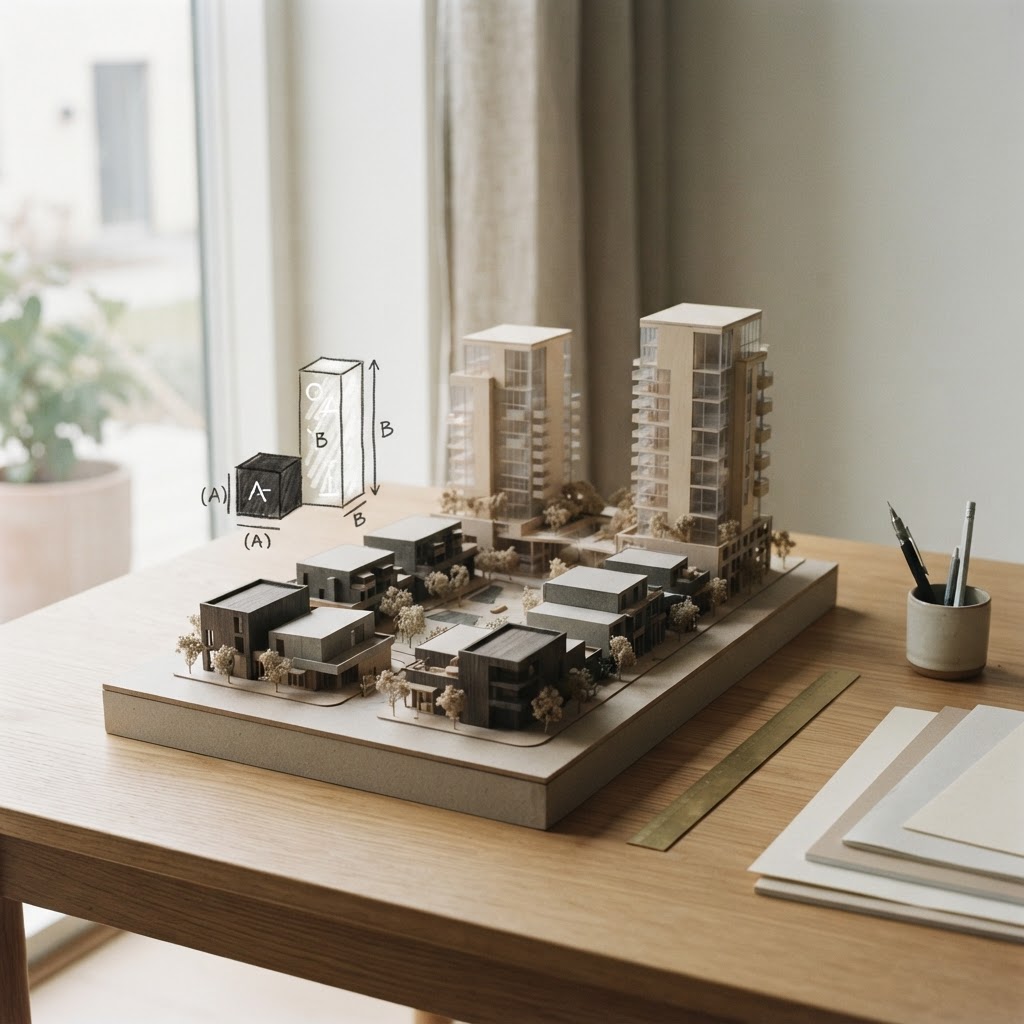
DECISION GUIDE: HOW MUCH F&B SHOULD A MIXED-USE DEVELOPMENT INCLUDE?
The Question
You are planning a mixed-use development — residential, office, retail, hospitality, or some combination. The question of how much F&B to include is one of the earliest and most consequential decisions in the planning process.
Too little F&B, and the development feels sterile — a place people pass through, not a place they stay. Too much, and you have operational complexity, tenant cannibalisation, and revenue dilution.
The answer is not a percentage of floor area. It is a strategic decision based on the development's purpose, audience, location, and competitive context.
The Wrong Approach
The most common approach is to allocate a fixed percentage of GLA to F&B — typically 10-15% — based on industry benchmarks. This is better than guessing, but it misses the point.
F&B is not a floor area ratio. It is a placemaking tool. The question is not how much space to give it, but what role F&B plays in making the development successful.
Three Roles For F&B In Mixed-Use
-
Anchor — F&B is a primary reason people visit the development. It drives footfall, defines identity, and creates destination appeal. Examples: a food hall that makes a retail centre worth visiting independently of the retail.
-
Amenity — F&B supports the other uses. It serves residents, office workers, and shoppers but is not itself a destination. Examples: a ground-floor café in an office building, a residents' restaurant in a hotel.
-
Activator — F&B creates life and atmosphere during specific times — evenings, weekends, events — when the primary uses are quiet. Examples: a bar that brings energy to a retail district after shops close.
A development may need all three roles, filled by different F&B formats in different zones.
Factors That Should Guide The Decision
-
Primary Audience — Who is the development for? Residential-led developments need different F&B than office-led or retail-led developments. A luxury residential tower needs one or two high-quality, service-oriented outlets. A mixed-use destination may need a food hall, a signature restaurant, and three to four casual formats.
-
Daypart Strategy — When is the development active? If it is busy during the day but dead at night, F&B can extend the active period. If it is quiet during weekdays but busy on weekends, F&B must be calibrated to match.
-
Competitive Context — What already exists within a 10-minute walk? If the area is saturated with restaurants, adding more may cannibalise rather than complement. If the area is a food desert, even a modest F&B offering can become a destination.
-
Operational Capacity — Can the development support the logistics of F&B? Kitchen exhaust, delivery access, waste management, staffing — these constraints are real and should be assessed before committing to a F&B footprint.
-
Revenue Model — How does F&B contribute to the development's economics? Direct revenue (you operate), rental revenue (you lease), or value uplift (F&B makes the residential or office space more valuable). The revenue model should match the role.
The Anchor Tenant Question
If the development includes F&B as an anchor, consider whether the owner's own brands can serve as anchor tenants. Placing an owned brand as anchor provides baseline rental stability and brand credibility that attracts the next tier of tenants. The landlord's portfolio becomes a marketing asset.
Practical Considerations
-
Do not decide F&B quantity before defining F&B role. Role determines quantity, not the reverse.
-
Cluster F&B rather than dispersing it. Scattered outlets create no energy. Clustered outlets create destination appeal.
-
Design for operational feasibility from day one. Kitchen ventilation, grease traps, delivery access, and waste management are expensive to retrofit.
-
Consider phased F&B. Open with less, test demand, and expand if the market responds. This is less risky than opening with too much and contracting later.
-
Remember that F&B's value is not always direct revenue. A great restaurant can increase residential sale prices, office occupancy rates, and overall development identity. Measure the uplift, not just the outlet's P&L.