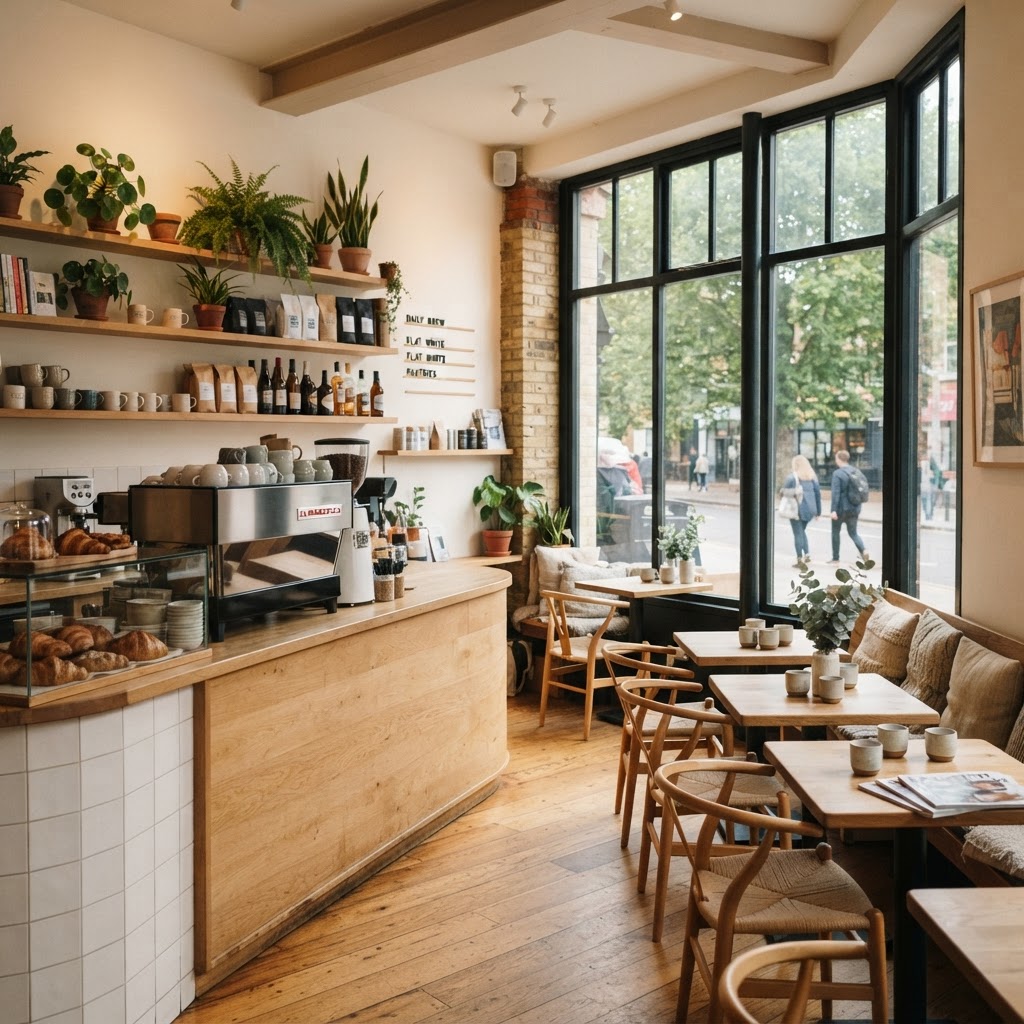
Daypart Strategy Is The Deliberate Design Of Different Operating Periods Throughout The Day — Each With Its Own Menu, Atmosphere, Service Style, And Commercial Logic — Rather Than Treating The Full Operating Day As A Single, Uniform Experience.

DAYPART STRATEGY
Definition
Daypart strategy is the deliberate design of different operating periods throughout the day — each with its own menu, atmosphere, service style, and commercial logic — rather than treating the full operating day as a single, uniform experience.
Most venues operate in two or three natural dayparts: morning, afternoon, and evening. The mistake is treating these as the same business with different volume levels. They are different businesses with different guests, different needs, and different economics.
Why It Matters
A venue that serves the same menu in the same atmosphere from 8 AM to 11 PM is optimising for none of its dayparts. The morning guest wants speed, quality, and a reason to return. The lunch guest wants efficiency and value. The evening guest wants atmosphere and experience. Serving all three from the same menu in the same setting satisfies none of them fully.
Daypart strategy maximises revenue per square metre by treating each period as a distinct commercial opportunity with its own pricing logic, staffing model, and experience design. A well-engineered daypart strategy can increase total revenue by 20-30% without adding square footage or headcount.
How To Think About It
Each daypart should be designed around four questions:
- Who is the guest at this time? (Different dayparts often serve different customer segments.)
- What do they want? (Speed? Atmosphere? Value? Experience?)
- What is the commercial logic? (High volume / low margin? Low volume / high margin?)
- What atmosphere transition is needed? (How does the room change from the previous daypart?)
The transitions between dayparts are as important as the dayparts themselves. A room that shifts from bright morning café to dim evening bar needs a transition moment — a change in lighting, music, or staff energy — that signals the shift to guests without feeling abrupt.
Real-World Example
In the Reuring neighbourhood café and bar project, daypart engineering was a core intervention. The venue was treating afternoon and evening as the same business — same menu, same atmosphere, same service. The strategic prescription separated the dayparts: afternoon focused on coffee, light meals, and remote work; evening shifted to cocktails, shared plates, and social energy. The transition was marked by a music shift at 5 PM and a menu change. The result: afternoon covers stayed stable while evening revenue increased significantly.
Related Concepts
Menu Engineering and Architecture, Atmospheric Design, Terrace Commercial Strategy